What is Phishing?
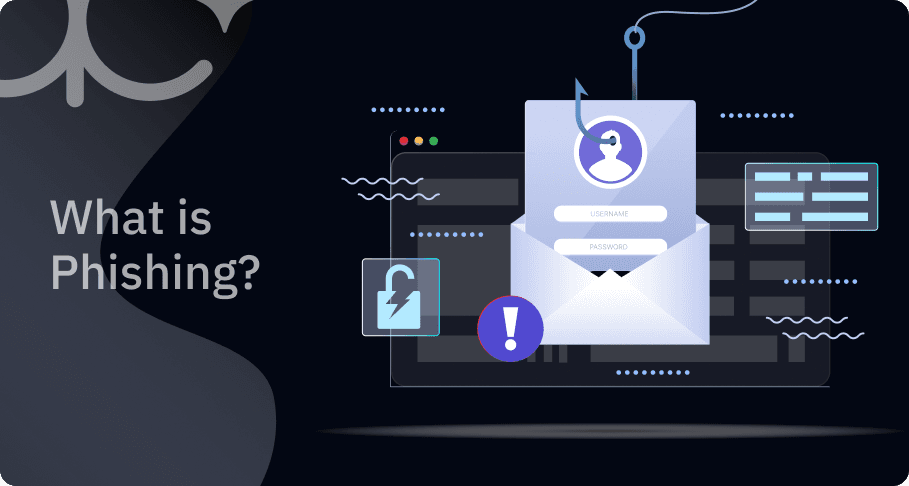
Phishing is a social engineering cyberattack where attackers impersonate trusted individuals, organisations, or services to trick users into revealing credentials, financial information, or sensitive data, or into downloading malicious files or clicking harmful links.
Managing Human-Centric Cybersecurity Risks at Scale
Phishing remains one of the most common initial attack vectors used in data breaches, ransomware campaigns, and business email compromise incidents. Attackers increasingly use sophisticated tactics including fake login portals, AI-generated messages, impersonation attacks, and malicious attachments designed to bypass traditional technical defenses.
Operationally, reducing phishing risk requires continuous employee awareness training, email security monitoring, access control enforcement, incident response coordination, and rapid threat detection. As organisations grow and adopt cloud-based collaboration platforms, monitoring and responding to phishing threats manually becomes increasingly difficult.
Cybersecurity governance platforms help organisations gain visibility into phishing-related threats, monitor security incidents, prioritise remediation efforts, and strengthen incident response through centralised workflows. Solutions like Apply Cyber's DefendAI improve visibility into phishing exposure while supporting proactive cyber defense.
Why Phishing Matters for Your Business
Phishing attacks remain one of the leading causes of security incidents and frequently result in financial loss, operational disruption, and data compromise.
Common business impacts include:
- Credential theft
- Financial fraud
- Ransomware infections
- Unauthorized system access
- Business email compromise (BEC)
- Data breaches
- Supply chain compromise incidents
Because phishing exploits human behaviour rather than purely technical vulnerabilities, it remains one of the most persistent and difficult attack types to eliminate completely.
Core Components of Phishing Defense
Effective phishing defense requires layered technical controls combined with continuous employee education and rapid incident response capabilities.
- Security awareness training
- Multi-Factor Authentication (MFA)
- Email filtering and anti-phishing technologies
- Secure email gateway protections
- Endpoint Detection and Response (EDR)
- Identity and access management controls
- Incident reporting workflows
- Domain protection measures
- Threat intelligence integration
- Continuous monitoring and alerting
Modern phishing defense programs combine preventive technologies, employee education, and continuous monitoring to reduce the likelihood of successful phishing attacks and improve organisational resilience.