What is Incident Response?
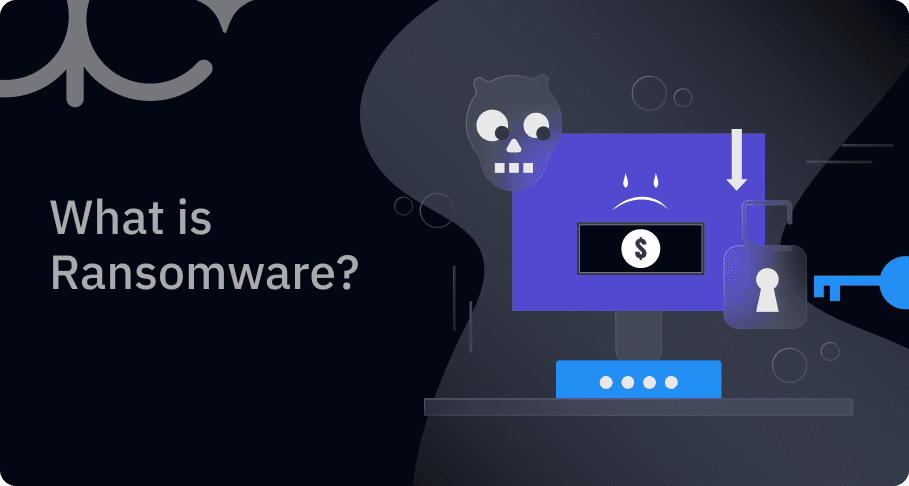
Incident response is the structured process organisations use to identify, contain, investigate, and recover from cybersecurity incidents such as ransomware, data breaches, or unauthorized access.
Reducing Chaos During Cybersecurity Incidents
When cyber incidents occur, organisations often face process confusion, fragmented communication, and delayed decision-making. Teams may struggle to determine the source of compromise, assess impacted systems, coordinate remediation efforts, and maintain regulatory reporting obligations under significant time pressure.
Manual incident coordination through emails, spreadsheets, and disconnected systems can delay containment efforts and increase operational damage. As environments become more distributed, maintaining consistent incident workflows becomes increasingly difficult.
Effective incident response requires visibility, coordination, and structured workflows. Apply Cyber's DefendAI helps organisations manage incidents, track remediation activities, coordinate response efforts, and improve operational readiness through centralized incident management processes.
Why Incident Response Matters for Your Business
Strong incident response capabilities help organisations minimize operational disruption and recover more effectively during attacks. Benefits commonly include:
- Quick threat control
- Reduced downtime and operational disruption
- Improved forensic investigation capabilities
- Better regulatory reporting readiness
- Reduced financial and reputational impact
- Improved resilience against repeat incidents
- Stronger executive and stakeholder confidence
Incident response preparedness is also required across many cybersecurity frameworks and regulatory environments.
Core Components of Incident Response
Incident response programs commonly include:
- Incident detection and prioritization
- Containment and isolation procedures
- Forensic investigation processes
- Communication and escalation workflows
- Evidence preservation
- Remediation and recovery planning
- Threat eradication activities
- Regulatory and legal reporting support
- Post-incident review processes
- Continuous improvement and lessons learned
Many organisations align incident response activities with frameworks such as MITRE ATT&CK.